Global Japanese Sushi Rolls
Highlighted under: Earth Recipes | World Cuisine
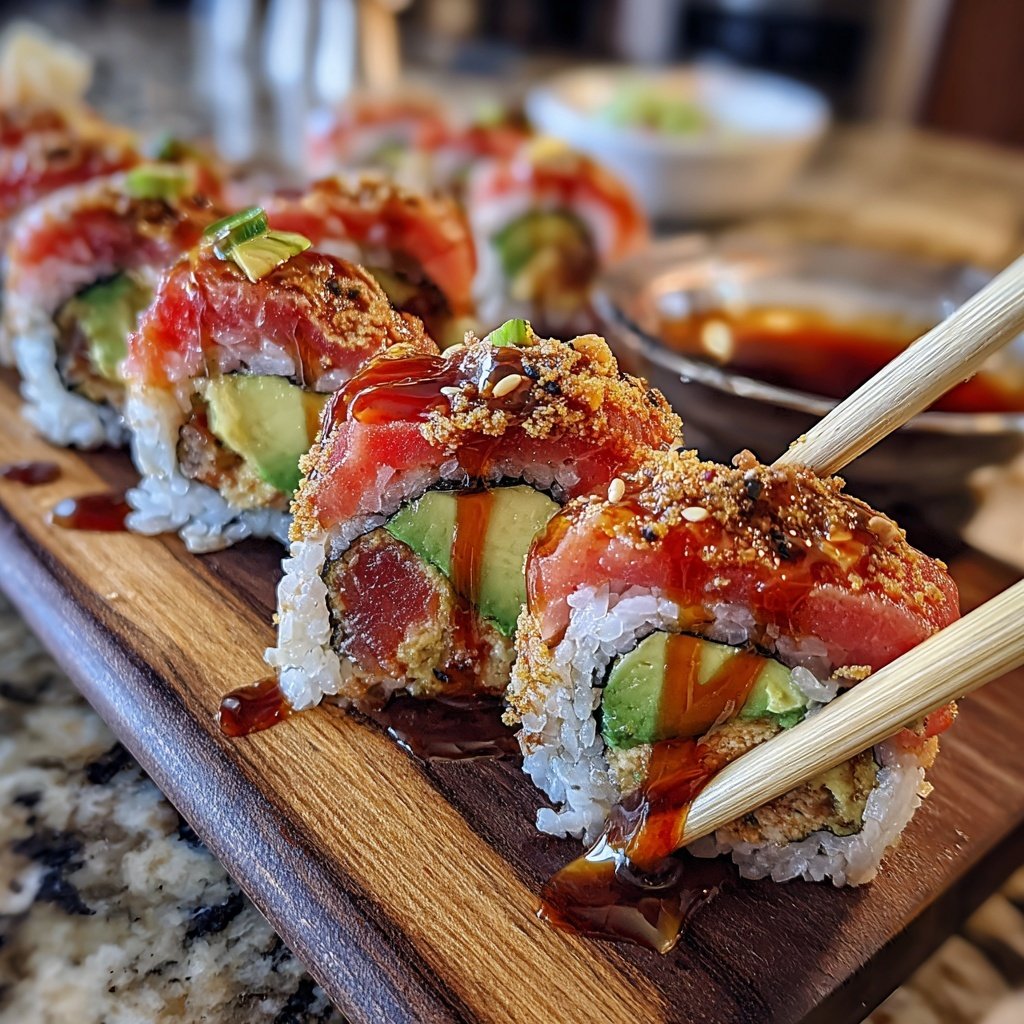
I absolutely love making sushi rolls at home! The combination of fresh ingredients and endless flavor possibilities is both exciting and satisfying. Every time I roll up a new batch, it's like unwrapping a delicious surprise. Plus, it’s such a fun activity to share with friends and family, making it a perfect meal for gatherings. I often experiment with different fillings and sauces to create unique rolls that always impress. Whether it’s for a casual dinner or a special occasion, these sushi rolls never disappoint.
Making sushi at home has become a delightful tradition for me. I learned that the key lies in using high-quality ingredients, from sushi rice to fresh seafood and vegetables. Soon, I discovered that the perfect balance of vinegar in the rice elevates the overall flavor of the rolls. My favorite filling combinations, such as spicy tuna with avocado, keep evolving with each attempt, and I love the creativity that comes with it.
One tip I swear by is to wet your hands when handling sushi rice. This prevents it from sticking, making the rolling process much more manageable. Additionally, I always keep a small bowl of soy sauce on hand for dipping. Each time I make these rolls, I relish the satisfaction of mastering this art form while delighting everyone at the table.
Why You Will Love This Recipe
- Endless variety of fillings to customize your rolls
- Great for entertaining and sharing with friends
- Fun and interactive cooking experience at home
Key Techniques for Perfect Sushi Rolls
To achieve truly great sushi rolls, mastering the sushi rice is crucial. Rinsing the rice until the water runs clear removes excess starch, which can make the rice gummy. Cook the rice in a rice cooker for consistent results, closely following the manufacturer's instructions. Once cooked, letting the rice rest for ten minutes allows the moisture to redistribute, leading to the ideal texture – tender yet sticky enough to hold the rolls together.
When seasoning the rice, it's vital to mix the vinegar solution gently into the rice. Using a wooden spatula or paddle to fold the mixture helps preserve the rice's delicate grains. Be careful not to mash or crush the rice, as we want a fluffy consistency. As the mixture combines, the rice should take on a glossy sheen, indicating it’s ready for rolling. A common mistake is to skip cooling the rice; warm rice can lead to soggy nori, so spread it in a wide bowl for faster cooling.
Creative Fillings and Flavor Combinations
The beauty of sushi rolls lies in their versatility. While traditional fillings include fish and cucumber, feel free to get creative. Grated carrots, pickled radish, or even cream cheese can add new flavors and textures. For those avoiding raw fish, consider using cooked shrimp, crab meat, or tofu as alternatives. I personally enjoy adding a touch of wasabi to the fillings for an extra kick that complements the sweetness of the rice.
Don't forget to consider textures when choosing your fillings. Balancing soft ingredients like avocado with crunchy ones like cucumber not only adds interest but also enhances the overall eating experience. Think about flavors too; if one ingredient is particularly salty, such as soy sauce marinated fish, balance it with milder or sweeter items, creating an enjoyable and well-rounded bite.
Storage, Serving, and Variations
If you end up with leftover sushi rolls, wrap them tightly in plastic wrap and store them in the refrigerator for up to 24 hours. However, for the best texture, I recommend consuming them the day they are made. The nori can become soggy over time, losing that delightful crunch. For a quick reheat option, you can microwave a wrapped roll for about 10-15 seconds, but this may impact its texture.
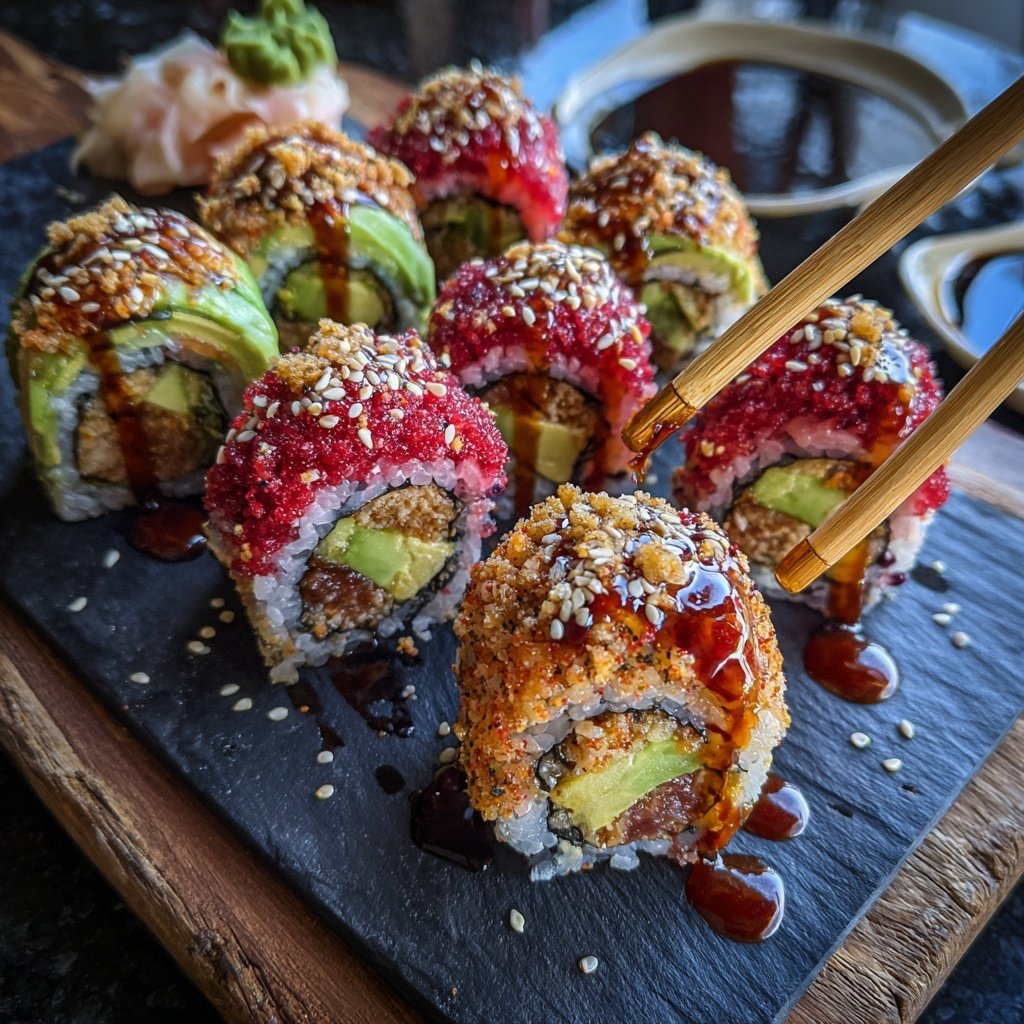
For special occasions, consider creating a sushi platter. Arrange your rolls on a large serving plate, garnished with slices of pickled ginger and wasabi on the side. You can also offer a variety of soy sauce options, such as sweet soy or spicy mayo, inviting guests to explore different flavor pairings. Additionally, feel free to experiment further with the size of rolls, creating thicker, hand rolls for a bolder presentation.
Ingredients
Ingredients
Sushi Ingredients
- 2 cups sushi rice
- 2 1/2 cups water
- 1/3 cup rice vinegar
- 1 tablespoon sugar
- 1 teaspoon salt
- Nori sheets (seaweed)
- Fresh fish (tuna, salmon, etc.), sliced
- Vegetables (cucumber, avocado, etc.), julienned
- Soy sauce, for dipping
Feel free to get creative with your fillings!
Instructions
Instructions
Prepare Sushi Rice
Rinse sushi rice under cold water until the water runs clear. Combine rice and 2 1/2 cups water in a rice cooker and cook according to manufacturer's instructions. Once done, let it rest for 10 minutes.
Season Rice
In a small saucepan, heat rice vinegar, sugar, and salt until dissolved. Combine this mixture with the rice in a large bowl, fluffing to combine. Let it cool.
Assemble the Rolls
Lay a nori sheet shiny side down on a bamboo mat. Wet your hands and spread a thin layer of rice over the nori, leaving a small border at the top. Lay your desired fillings along the bottom edge.
Roll the Sushi
Using the bamboo mat, gently roll the sushi away from you while pressing it into a tight log. Wet the edge of the nori to seal the roll.
Cut and Serve
Using a sharp, wet knife, slice the roll into bite-sized pieces. Serve with soy sauce for dipping.
Enjoy your homemade sushi with friends and family!
Pro Tips
- Experiment with different proteins and vegetables to find your favorite combination. Don't forget to have wasabi and pickled ginger on the side.
Ingredient Roles and Substitutions
Each ingredient in sushi plays a vital role in the final flavor profile and texture. Sushi rice is a star, delivering a sweet and slightly tangy taste. The addition of rice vinegar, sugar, and salt elevates its flavor, making it the perfect canvas for your fillings. If you don't have nori on hand, thinly sliced vegetables like cucumber or even rice paper can serve as wrappers to hold your fillings.
If you're looking to make this recipe gluten-free, ensure you choose a gluten-free soy sauce or tamari to serve with your sushi. Furthermore, for a vegan-friendly option, swap out fish and seafood for marinated veggies, avocado, or mushrooms. Tofu can also provide a satisfying protein alternative, while still allowing you to enjoy the sushi-making experience without compromising on taste.
Common Troubleshooting Tips
When preparing sushi at home, a common issue is often the rice being too dry or too sticky. If the rice is too dry, you may not have added enough water during cooking, so ensure to check your cooker measurements. On the flip side, if the rice is excessively sticky, it may be due to not rinsing enough or overcooking. If you find yourself in this situation, adding a teaspoon of water can help adjust the texture for rolling.
Another frequent trouble is rolling the sushi too loosely or tightly. If your rolls are falling apart, it may help to use a bit more pressure when rolling, while a loose roll can be improved by ensuring your hands are wet – this prevents the rice from sticking and helps form a complete roll. Practice is key: after a few attempts, you’ll find the right pressure and technique that works best for your sushi skill level.
Questions About Recipes
→ Can I use brown rice instead of sushi rice?
While brown rice is healthier, it won't have the same sticky texture as sushi rice, which is ideal for rolling.
→ How do I store leftover sushi?
It's best to eat sushi fresh, but if you have leftovers, store them in an airtight container in the refrigerator for up to one day.
→ What type of fish is best for sushi?
Fresh sashimi-grade fish like tuna and salmon are excellent choices for sushi. Always ensure the fish is safe for raw consumption.
→ Can I make sushi vegetarian?
Absolutely! Use a variety of vegetables, tofu, or even fruit to create delicious vegetarian sushi rolls.
Global Japanese Sushi Rolls
Created by: The Opheliaskitchen Team
Recipe Type: Earth Recipes | World Cuisine
Skill Level: Intermediate
Final Quantity: 4 rolls
What You'll Need
Sushi Ingredients
- 2 cups sushi rice
- 2 1/2 cups water
- 1/3 cup rice vinegar
- 1 tablespoon sugar
- 1 teaspoon salt
- Nori sheets (seaweed)
- Fresh fish (tuna, salmon, etc.), sliced
- Vegetables (cucumber, avocado, etc.), julienned
- Soy sauce, for dipping
How-To Steps
Rinse sushi rice under cold water until the water runs clear. Combine rice and 2 1/2 cups water in a rice cooker and cook according to manufacturer's instructions. Once done, let it rest for 10 minutes.
In a small saucepan, heat rice vinegar, sugar, and salt until dissolved. Combine this mixture with the rice in a large bowl, fluffing to combine. Let it cool.
Lay a nori sheet shiny side down on a bamboo mat. Wet your hands and spread a thin layer of rice over the nori, leaving a small border at the top. Lay your desired fillings along the bottom edge.
Using the bamboo mat, gently roll the sushi away from you while pressing it into a tight log. Wet the edge of the nori to seal the roll.
Using a sharp, wet knife, slice the roll into bite-sized pieces. Serve with soy sauce for dipping.
Extra Tips
- Experiment with different proteins and vegetables to find your favorite combination. Don't forget to have wasabi and pickled ginger on the side.
Nutritional Breakdown (Per Serving)
- Calories: 300 kcal
- Total Fat: 6g
- Saturated Fat: 1g
- Cholesterol: 15mg
- Sodium: 460mg
- Total Carbohydrates: 58g
- Dietary Fiber: 3g
- Sugars: 1g
- Protein: 8g