Dandelion Leaf Pesto Pasta
Highlighted under: Earth Recipes | World Cuisine
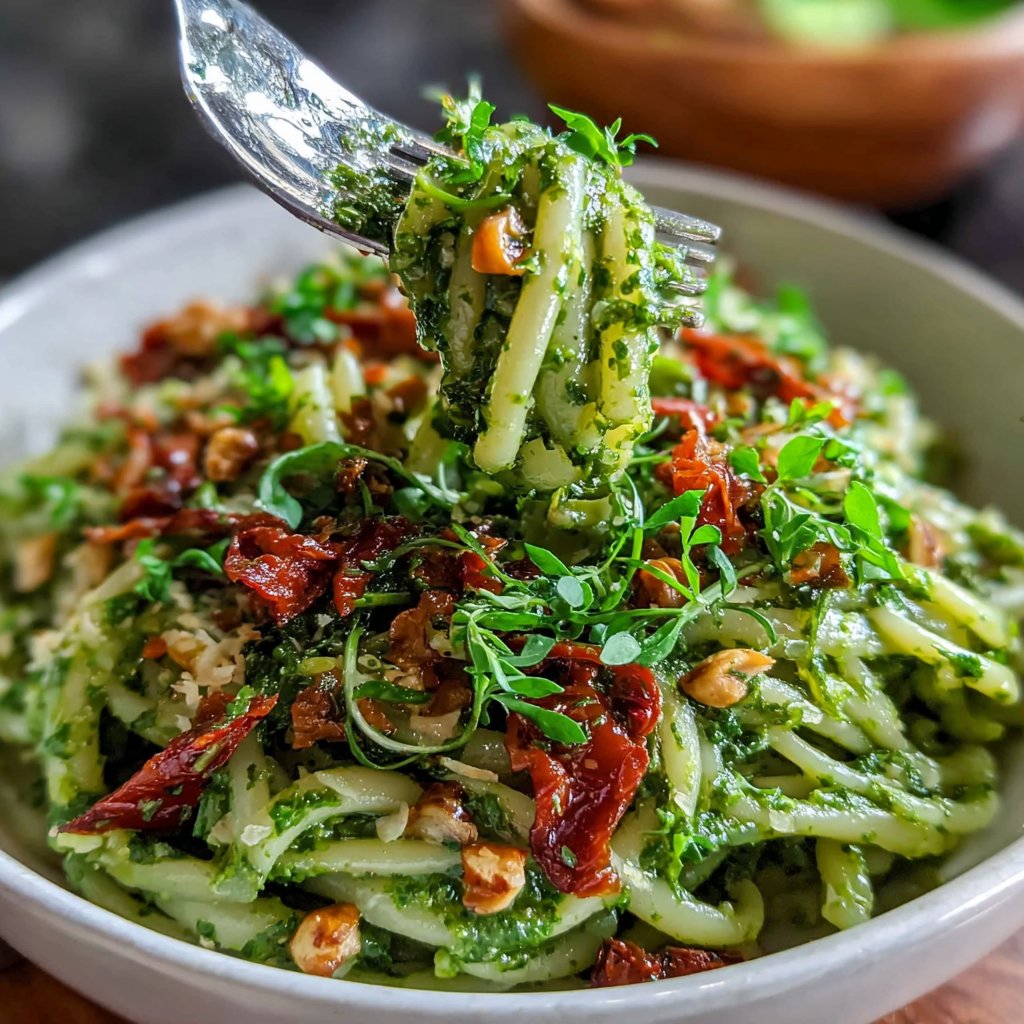
I love experimenting with unconventional ingredients, and dandelion leaves have become one of my favorites. Making pesto with these vibrant greens adds a unique earthy flavor to my pasta dishes. This recipe is a delightful twist on traditional pesto, offering not only a nutritious boost but also a playful challenge in the kitchen. The combination of garlic, nuts, and cheese enhances the dandelion's distinct taste, creating a pesto that’s both refreshing and satisfying. Join me in discovering this easy and delicious meal that’s perfect for any occasion.
When I first tried making pesto with dandelion leaves, I was a bit hesitant. Would the bitterness overpower my pasta? To my delight, blending the leaves with garlic, nuts, and Parmesan resulted in a well-balanced sauce that was rich and flavorful. I learned to adjust the ingredients based on the intensity of the dandelions I picked, ensuring a perfect blend every time.
Additionally, I discovered that lightly toasting the nuts before adding them to the mix creates a deeper, richer flavor that complements the greens beautifully. Experimenting with different types of pasta also adds variety to the dish. Trust me, once you try this, you'll be hooked!
Why You Will Love This Recipe
- Unique use of dandelion leaves for a fresh take on pesto
- Balanced flavors that blend earthy, nutty, and cheesy notes
- A quick and healthy meal ready in just 25 minutes
Understanding Dandelion Leaves
Dandelion leaves, often dismissed as weeds, offer a robust flavor and are packed with nutrients. When selecting dandelion greens for this pesto, choose younger, tender leaves as they impart a milder taste compared to mature ones. Older leaves can be quite bitter, which may overpower the other flavors in the pesto. If you can't find dandelion leaves, consider substituting with arugula or kale for a similar peppery profile.
These greens not only enhance the pesto's health benefits but also contribute to the overall earthy flavor profile. Combining them with nuts like toasted walnuts creates a pleasing contrast in texture. The toasting process is essential as it intensifies the walnuts' flavor, introducing a robust nuttiness that beautifully complements the sharp parmesan cheese.
Perfecting Your Pesto Technique
When blending your pesto, the goal is to achieve a creamy consistency without overprocessing the dandelion leaves. Start by pulsing the leaves, nuts, and garlic until coarsely chopped before slowly adding olive oil. I recommend using high-quality extra virgin olive oil, as it not only contributes to the flavor but also provides health benefits. The oil should be drizzled in gradually for better emulsification, resulting in a glossy mixture that clings perfectly to the pasta.
If your pesto turns out too thick, the reserved pasta water is your best ally. Begin by adding a few tablespoons of the water gradually, mixing until you reach your desired loamy consistency. Ideally, the pesto should coat the spaghetti without sliding off too easily, providing each bite with enough flavor.
Serving Suggestions and Add-ins
While the dandelion leaf pesto is delicious on its own, you can easily elevate the dish with additional toppings. Consider sprinkling freshly cracked black pepper or crushed red pepper flakes for extra heat. A drizzle of lemon juice right before serving brightens the flavors, making the dish more vibrant. You might also experiment by adding cherry tomatoes or sautéed seasonal vegetables for a pop of color and freshness.
If you're planning to serve this dish to a crowd, try scaling up the recipe by doubling the ingredients, making it easy to feed more people without extra effort. Just remember to adjust the cooking pot size to accommodate the additional pasta, and always save that reserved pasta water to maintain the pesto's consistency.
Ingredients
Gather the following ingredients to make your Dandelion Leaf Pesto Pasta.
Ingredients for Dandelion Leaf Pesto
- 2 cups dandelion leaves, washed and stems removed
- 1/2 cup toasted walnuts
- 1/4 cup Parmesan cheese, grated
- 2 cloves garlic, minced
- 1/2 cup olive oil
- Salt and pepper to taste
Ingredients for the Pasta
- 12 ounces spaghetti or your favorite pasta
- Water for boiling
- Extra Parmesan cheese for serving
Once you've gathered your ingredients, you're ready to start cooking! Let's dive in.
Instructions
Follow these steps to create a delicious Dandelion Leaf Pesto Pasta.
Cook the Pasta
In a large pot, bring salted water to a boil. Add the pasta and cook according to the package instructions until al dente. Reserve 1/2 cup of pasta water before draining, then set the pasta aside.
Make the Pesto
In a food processor, combine the dandelion leaves, toasted walnuts, Parmesan cheese, and minced garlic. Pulse until finely chopped. While the processor is running, gradually add the olive oil until the mixture is smooth. Season with salt and pepper to taste.
Combine and Serve
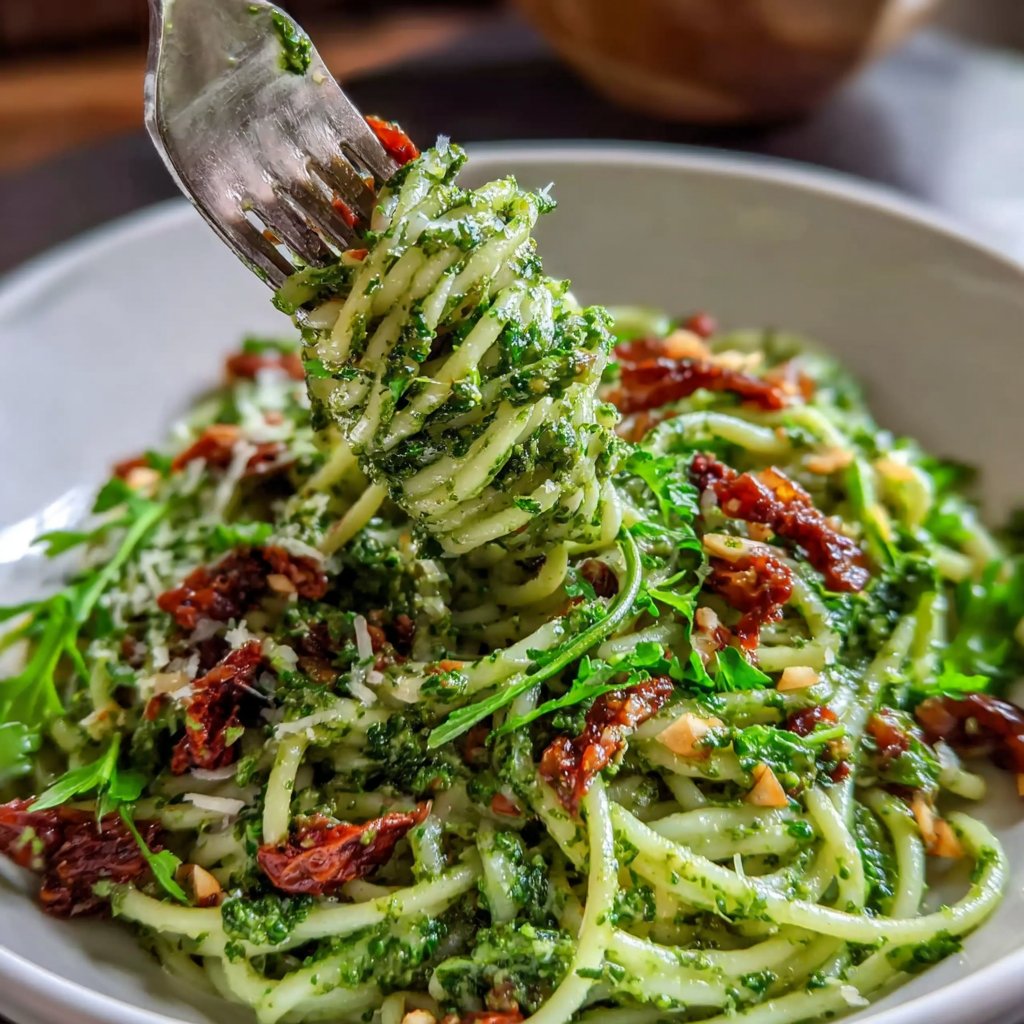
In a large mixing bowl, toss the cooked pasta with the pesto, adding reserved pasta water as needed to reach desired consistency. Serve warm with additional Parmesan cheese on top.
Enjoy your vibrant and tasty Dandelion Leaf Pesto Pasta!
Pro Tips
- For a nuttier flavor, try using a combination of walnuts and pine nuts. Adjust the amount of garlic according to your preference, and don’t hesitate to add a squeeze of lemon for brightness.
Storage and Make-Ahead Tips
If you want to prepare dandelion leaf pesto ahead of time, store it in an airtight container in the refrigerator. To prevent oxidation and maintain its vibrant green color, drizzle a thin layer of olive oil on top before sealing. The pesto can generally stay fresh for up to a week. When you're ready to use it, just give it a good stir to reincorporate any separated ingredients.
For longer storage, consider freezing the pesto. Portion it into ice cube trays, freeze until solid, and then transfer the cubes to a freezer bag. This allows you to have fresh pesto on hand for quick pasta meals or as a flavor boost in soups and marinades. Just remember to thaw it in the refrigerator before using, or place it in a warm pan over low heat until it becomes spreadable.
Variations and Flavor Combinations
Dandelion leaf pesto is versatile and can suit various dietary preferences. If you're looking for a vegan option, simply omit the cheese or replace it with nutritional yeast, which provides a cheesy flavor without dairy. Alternatively, you can add blended tofu for creaminess while boosting the protein content.
For a different flavor profile, try incorporating herbs such as basil or mint to the pesto mixture. This can add an aromatic twist to the dish that works beautifully in the summer months. You could also substitute half the dandelion leaves with spinach or mixed greens for a milder taste while still benefiting from the nutritious properties of the greens.
Questions About Recipes
→ Can I substitute dandelion leaves with other greens?
Yes! You can use arugula, spinach, or basil for a different flavor profile.
→ Is this pesto suitable for freezing?
Absolutely! You can freeze the pesto in ice cube trays and store them in a sealed bag for later use.
→ How long will the pesto last in the fridge?
The pesto can last for up to a week in an airtight container in the fridge.
→ What pasta shapes work best with pesto?
While spaghetti is great, any pasta shape, like fusilli or penne, will hold the sauce well.
Dandelion Leaf Pesto Pasta
Created by: The Opheliaskitchen Team
Recipe Type: Earth Recipes | World Cuisine
Skill Level: Easy
Final Quantity: 4 servings
What You'll Need
Ingredients for Dandelion Leaf Pesto
- 2 cups dandelion leaves, washed and stems removed
- 1/2 cup toasted walnuts
- 1/4 cup Parmesan cheese, grated
- 2 cloves garlic, minced
- 1/2 cup olive oil
- Salt and pepper to taste
Ingredients for the Pasta
- 12 ounces spaghetti or your favorite pasta
- Water for boiling
- Extra Parmesan cheese for serving
How-To Steps
In a large pot, bring salted water to a boil. Add the pasta and cook according to the package instructions until al dente. Reserve 1/2 cup of pasta water before draining, then set the pasta aside.
In a food processor, combine the dandelion leaves, toasted walnuts, Parmesan cheese, and minced garlic. Pulse until finely chopped. While the processor is running, gradually add the olive oil until the mixture is smooth. Season with salt and pepper to taste.
In a large mixing bowl, toss the cooked pasta with the pesto, adding reserved pasta water as needed to reach desired consistency. Serve warm with additional Parmesan cheese on top.
Extra Tips
- For a nuttier flavor, try using a combination of walnuts and pine nuts. Adjust the amount of garlic according to your preference, and don’t hesitate to add a squeeze of lemon for brightness.
Nutritional Breakdown (Per Serving)
- Calories: 320 kcal
- Total Fat: 28g
- Saturated Fat: 4g
- Cholesterol: 10mg
- Sodium: 150mg
- Total Carbohydrates: 30g
- Dietary Fiber: 3g
- Sugars: 2g
- Protein: 8g