Lemon-Lavender Vinaigrette
Highlighted under: Basic Cooking | Easy Food
I absolutely love making my own salad dressings, and this Lemon-Lavender Vinaigrette is a stunning addition to my repertoire. The bright, zesty notes of lemon combined with the delicate floral essence of lavender create a refreshing dressing that elevates any salad. This vinaigrette is so versatile that it pairs beautifully with leafy greens, roasted vegetables, or even as a marinade for chicken. It takes just a few minutes to prepare, and the flavor will leave everyone asking for the recipe!
When I first crafted this Lemon-Lavender Vinaigrette, I was amazed at how simple ingredients could create such a complex flavor. The key is using fresh lemon juice and good quality olive oil, along with culinary lavender which imparts a subtle, aromatic twist. I love tossing this dressing with a fresh mixed green salad topped with goat cheese and walnuts—the flavors mingle perfectly!
One tip I’ve learned over time is to let the vinaigrette sit for at least 5 minutes before serving. This allows the lavender to infuse fully, enhancing the overall flavor. I often make a batch ahead of time to keep in the fridge, ready for whenever I need an instant salad upgrade!
Why You Will Love This Recipe
- Zesty lemon flavor with a unique floral twist
- Quick and easy to prepare, perfect for busy days
- Transforms basic salads into gourmet delights
Essential Ingredients for Success
The star of this Lemon-Lavender Vinaigrette is undoubtedly the fresh lemon juice, which provides a bright acidity that balances beautifully with the sweetness of honey. When selecting lemons, look for ones that are firm and heavy for their size, as they will have more juice. Additionally, using freshly squeezed lemon juice rather than store-bought will enhance the flavor significantly, making your vinaigrette taste vibrant and fresh.
Culinary lavender is another key ingredient that lends a unique floral note to the vinaigrette. If you can't find culinary lavender in your local store, you can substitute with dried chamomile or even a hint of rose water, but use sparingly to avoid overpowering the dressing. Remember, this vinaigrette is all about balance, so be mindful of the intensity of your substitutions.
Whisking to Perfection
The technique of whisking together the ingredients is crucial for achieving the right texture in your vinaigrette. When whisking the lemon juice and honey, ensure they are fully integrated before slowly adding the olive oil. This gradual incorporation helps form an emulsion, resulting in a creamier mouthfeel. If at any point your vinaigrette looks too thin, whisk in more olive oil until you reach the desired consistency, which should be glossy and slightly thickened.
If you notice that your vinaigrette separates after being stored, simply give it a good shake or stir before serving. This is a natural occurrence, especially with homemade dressings that lack preservatives. Ensuring that your olive oil is of good quality will yield the best flavor and texture, so choose one that you enjoy drizzling over salads or vegetables.
Serving and Storage Tips
This Lemon-Lavender Vinaigrette doesn't just shine on salads; it can also be used as a marinade for grilled chicken or vegetables. If you're marinating meat, let it sit for at least 30 minutes to allow the flavors to penetrate. For an extra depth of flavor, consider adding minced garlic or shallots to the vinaigrette before marinating.
To store the vinaigrette, pour it into an airtight jar and keep it in the refrigerator for up to one week. Always give it a shake before using, as the ingredients may separate over time. You can also make this dressing in larger batches and customize it with additional herbs like parsley or dill for varied flavor profiles to match your meals throughout the week.
Ingredients
Gather the following ingredients to create your Lemon-Lavender Vinaigrette:
Ingredients
- 1/4 cup fresh lemon juice
- 1/2 cup extra virgin olive oil
- 1 tablespoon honey
- 1 teaspoon culinary lavender
- Salt and freshly ground pepper to taste
Once you have all your ingredients, you are ready to mix them and enjoy!
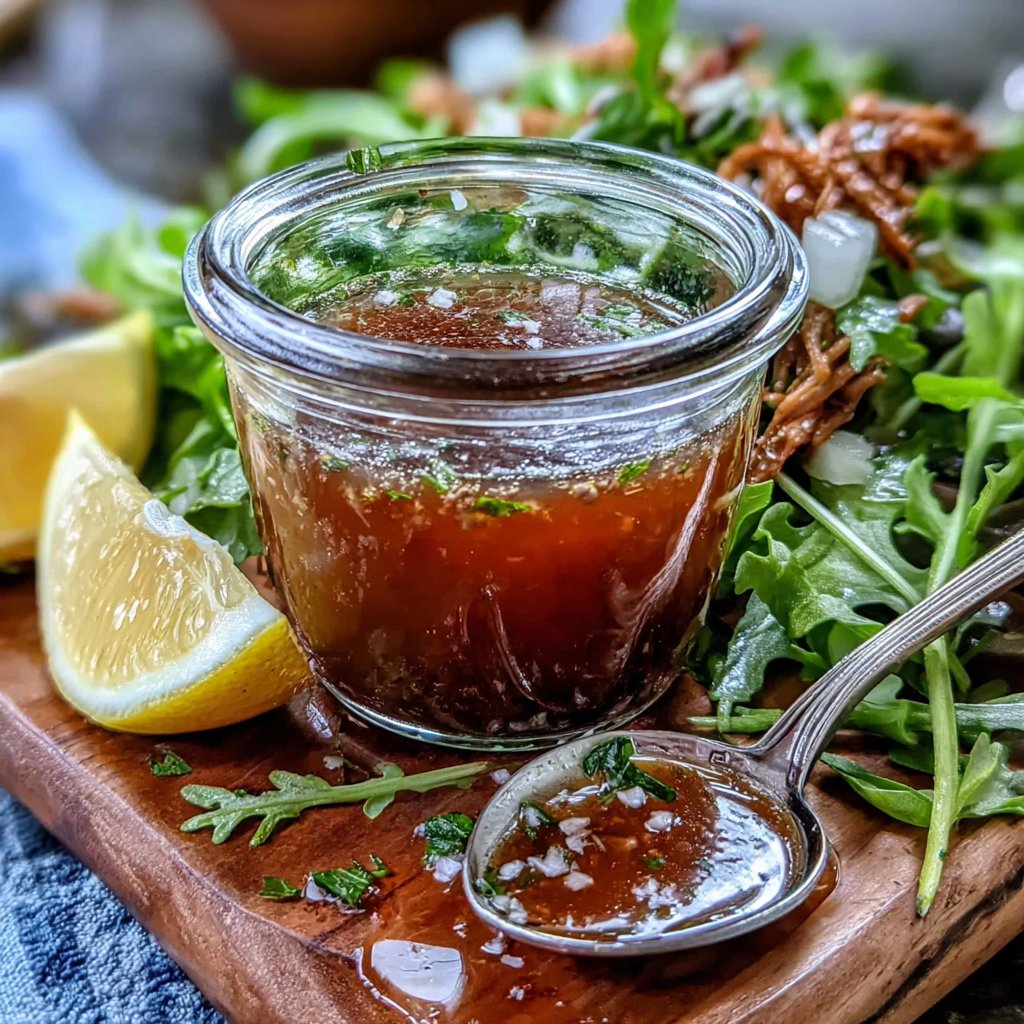
Instructions
Follow these simple steps to prepare your vinaigrette:
Combine Ingredients
In a small mixing bowl, whisk together the lemon juice, honey, and culinary lavender until well combined.
Add Olive Oil
Slowly drizzle in the olive oil while continuing to whisk. This will create an emulsion, making the vinaigrette smooth and creamy.
Season
Add salt and freshly ground pepper to taste, adjusting to your preference.
Serve or Store
Pour over your salad of choice or store in a jar in the refrigerator for up to a week.
Enjoy your homemade vinaigrette on your favorite salads!
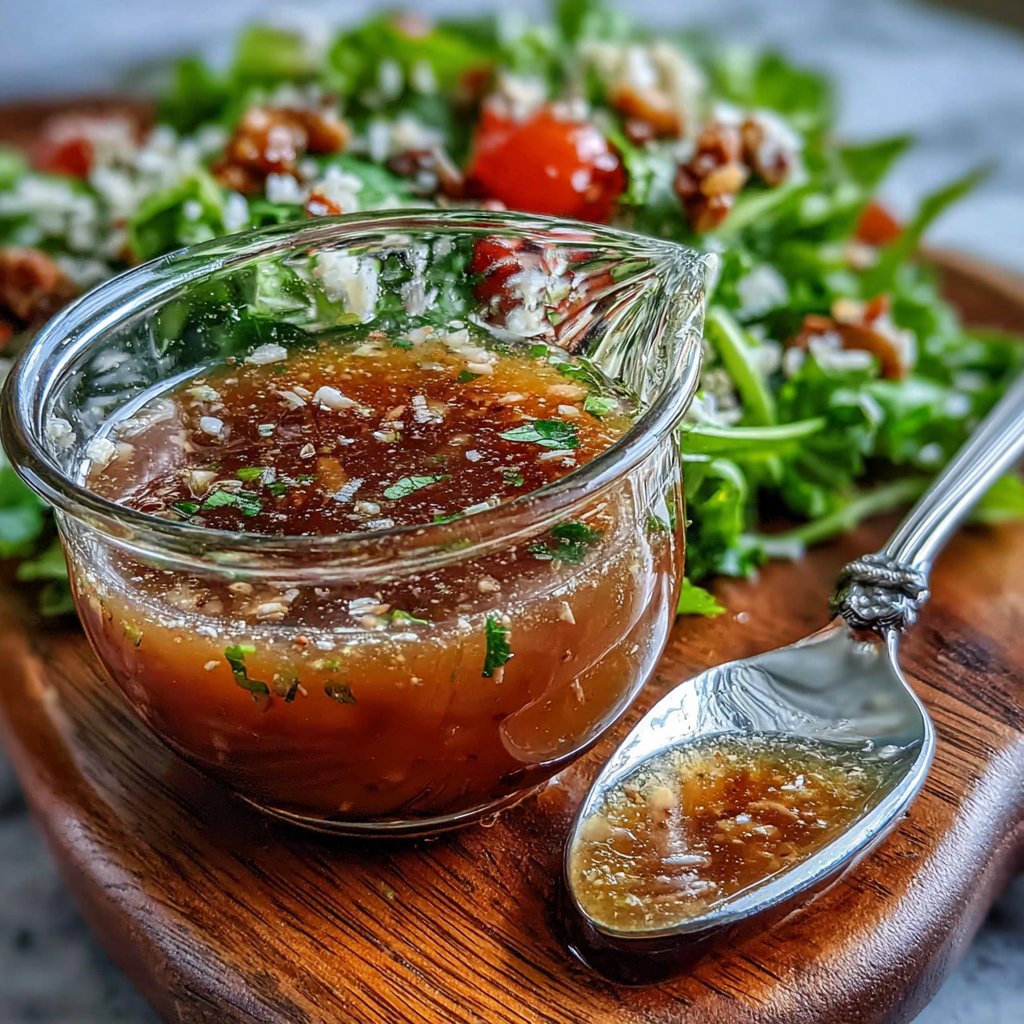
Pro Tips
- For an enhanced flavor, let the vinaigrette sit for at least 10 minutes before serving. The longer it sits, the more fragrant it becomes.
Variations and Customizations
One delightful variation of this vinaigrette can be achieved by adding a splash of balsamic vinegar along with the lemon juice. This will introduce a deeper, sweeter flavor that complements roasted vegetables beautifully. Alternatively, try swapping out the honey for pure maple syrup for a vegan-friendly option that still delivers a touch of sweetness.
For those looking to experiment, incorporating a teaspoon of Dijon mustard can enhance the vinaigrette's depth and lend a subtle tanginess. Simply whisk it in along with the honey—this also helps stabilize your vinaigrette and keep it emulsified longer!
Troubleshooting Common Issues
If your vinaigrette tastes too tart, don't hesitate to adjust the balance of flavors. Adding a bit more honey can counteract the acidity of the lemon juice. Conversely, if it feels too sweet, a squeeze of additional lemon juice can elevate the brightness and restore balance.
Another common issue is the consistency. If your vinaigrette is too thick, whisk in a teaspoon of water at a time until the desired consistency is reached. If it’s too runny, ensure you’ve added enough olive oil and whisk vigorously to form an emulsion that will help thicken it.
Questions About Recipes
→ Can I use dried lavender instead of culinary lavender?
It's best to stick with culinary lavender as it’s specifically grown for cooking, while dried lavender may contain additives.
→ How long does this vinaigrette last in the fridge?
The vinaigrette can last up to 1 week in the refrigerator. Be sure to shake or whisk it before using.
→ What can I pair this vinaigrette with?
This vinaigrette pairs well with mixed greens, roasted vegetables, and even grilled chicken or fish.
→ Can I replace honey with another sweetener?
Yes, you can substitute honey with maple syrup or agave nectar for a vegan option.
Lemon-Lavender Vinaigrette
Created by: The Opheliaskitchen Team
Recipe Type: Basic Cooking | Easy Food
Skill Level: Beginner
Final Quantity: 1 cup
What You'll Need
Ingredients
- 1/4 cup fresh lemon juice
- 1/2 cup extra virgin olive oil
- 1 tablespoon honey
- 1 teaspoon culinary lavender
- Salt and freshly ground pepper to taste
How-To Steps
In a small mixing bowl, whisk together the lemon juice, honey, and culinary lavender until well combined.
Slowly drizzle in the olive oil while continuing to whisk. This will create an emulsion, making the vinaigrette smooth and creamy.
Add salt and freshly ground pepper to taste, adjusting to your preference.
Pour over your salad of choice or store in a jar in the refrigerator for up to a week.
Extra Tips
- For an enhanced flavor, let the vinaigrette sit for at least 10 minutes before serving. The longer it sits, the more fragrant it becomes.
Nutritional Breakdown (Per Serving)
- Calories: 110 kcal
- Total Fat: 12g
- Saturated Fat: 1g
- Cholesterol: 0mg
- Sodium: 2mg
- Total Carbohydrates: 2g
- Dietary Fiber: 0g
- Sugars: 1g
- Protein: 0g